
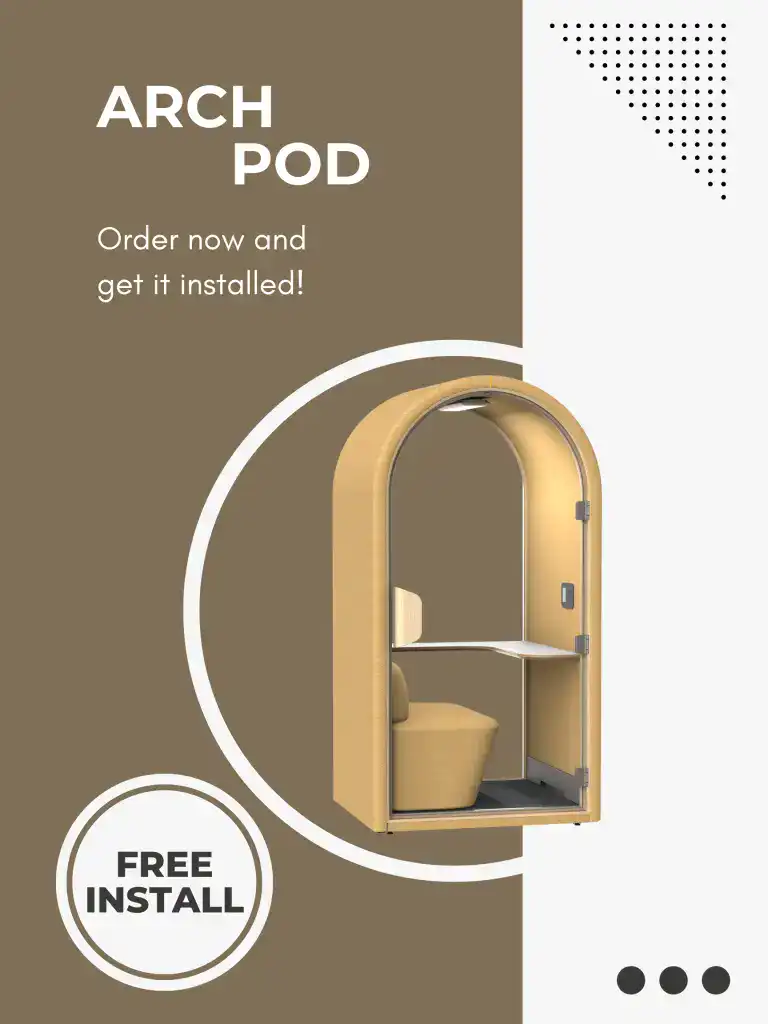
 Office Booths: Flexible, Private Workspaces for Modern Teams
Open offices have become the standard for startups, creative companies, and growing teams. They promise collaboration and energy, but they also come with distractions. Conversations carry across the floor, phone calls overlap, and it becomes hard to focus. That’s where the office booth comes in—a compact, sound-controlled space designed to bring back privacy without losing the benefits of an open layout.
What Is an Office Booth?
An office booth is a small, enclosed pod designed to give workers a private space inside a larger office. Unlike traditional cubicles, which only block vision, booths often use sound-absorbing materials and glass panels to create real acoustic separation. The best modern office booths are also mobile and modular, meaning you can reconfigure them as your team grows.
Booths aren’t limited to offices—they also work in coworking spaces, schools, healthcare facilities, and even retail showrooms. Their portability makes them a more flexible solution than traditional construction.
Why Teams Are Turning to Office Booths
Businesses adopt office booths for two main reasons: productivity and well-being. In a workplace study by Oxford Economics, 63% of employees said they lack quiet space for focused work, and nearly half said noise negatively impacts their job satisfaction. A soundproof office booth cuts out background chatter and provides a controlled environment where employees can concentrate.
This privacy also supports sensitive phone calls, video meetings, and one-on-one check-ins without booking scarce conference rooms. For employers, this translates into measurable benefits: fewer mistakes, faster task completion, and happier teams. Booths provide flexibility, since they can be moved during office renovations or even relocated to new spaces.
Office Booths vs. Cubicles vs. Permanent Offices
When companies weigh options, office booths often win out:
Cubicles: Provide some visual privacy but don’t stop sound. Workers remain distracted by nearby conversations and phone calls.
Permanent offices: Offer privacy but require expensive tenant improvements, building permits, and months of construction. They also reduce layout flexibility.
Office booths: Deliver privacy and soundproofing without the cost and rigidity of permanent walls. They can be installed in a day, relocated later, and even leased instead of purchased.
This comparison shows why many landlords and tenants are turning to booths as a smarter investment.
Types of Office Booths
Not all booths are the same. Common options include:
Phone booths – Compact pods sized for one person, perfect for calls and video meetings.
Focus booths – Small office booths with a desk and chair for deep work.
Meeting booths – Larger, sound-treated spaces for two to six people.
Collaborative booths – Flexible pods with seating layouts for brainstorming or informal check-ins.
Each type addresses a different pain point, giving businesses the freedom to design their own mix.
Key Features to Look For
The best office booths combine function and design. Important features include:
Acoustic panels to reduce sound leakage.
Ventilation systems so users stay comfortable.
Integrated power and USB ports for laptops and devices.
Glass or solid panels depending on the level of privacy needed.
Mobility options such as casters or modular panels.
Sustainable designs are also trending. Many booths now use recycled materials, LED lighting, and low-VOC finishes to support corporate green initiatives.
Costs and ROI
Pricing for a small office booth typically starts around a few thousand dollars, while larger meeting booths can run higher depending on finishes and features. The cost should be weighed against alternatives like building out permanent offices or leasing extra square footage.
For landlords, booths are a powerful tenant improvement tool. Instead of investing tens of thousands in permanent walls, they can lease pods and recoup costs through rent while keeping the space flexible for future tenants.
Real-world ROI example: If a landlord spends $10,000 on permanent walls for a 5-year tenant, that money is sunk if the tenant leaves. A $7,000 booth can be relocated, reused, or resold, preserving value while serving multiple tenants over its lifetime.
Who Uses Office Booths?
Startups and tech firms that rely on constant calls and hybrid meetings.
Coworking spaces that need to balance openness with private zones.
Educational institutions for testing rooms or small team projects.
Corporate offices seeking quick, scalable privacy solutions.
Case studies consistently show improved employee satisfaction after booths are installed. Teams feel supported and valued when given access to private, quiet spaces.
Design Trends for 2024 and Beyond
Office booths are no longer bland boxes. Current trends highlight:
Glass booths for transparency and natural light.
Custom branding with colors and logos.
Eco-friendly finishes that align with sustainability goals.
Smart integrations like booking systems and occupancy sensors.
By choosing the right style, companies can make booths both practical and a reflection of their culture.
Installation and Maintenance
One advantage of office booths is their simplicity. Delivery and installation usually take a few hours, with minimal disruption. Unlike construction, there’s no dust, debris, or need for permits.
Maintenance is also straightforward. Surfaces can be cleaned with standard supplies, acoustic panels are designed for durability, and many booths come with warranties of 5–10 years. With basic upkeep, they can serve multiple tenant cycles or office relocations.
Final Thoughts
The office booth is more than a temporary fix for noise—it’s a long-term strategy for creating balance in modern workspaces. By offering privacy, flexibility, and mobility, booths give employees the freedom to work without distraction while helping companies scale efficiently.
CTA: Ready to design your office booth solution? Book a free consult with Clarity Castle and see how flexible pods can transform your workspace.