
Office Phone Booth Alternatives for Modern Workspaces
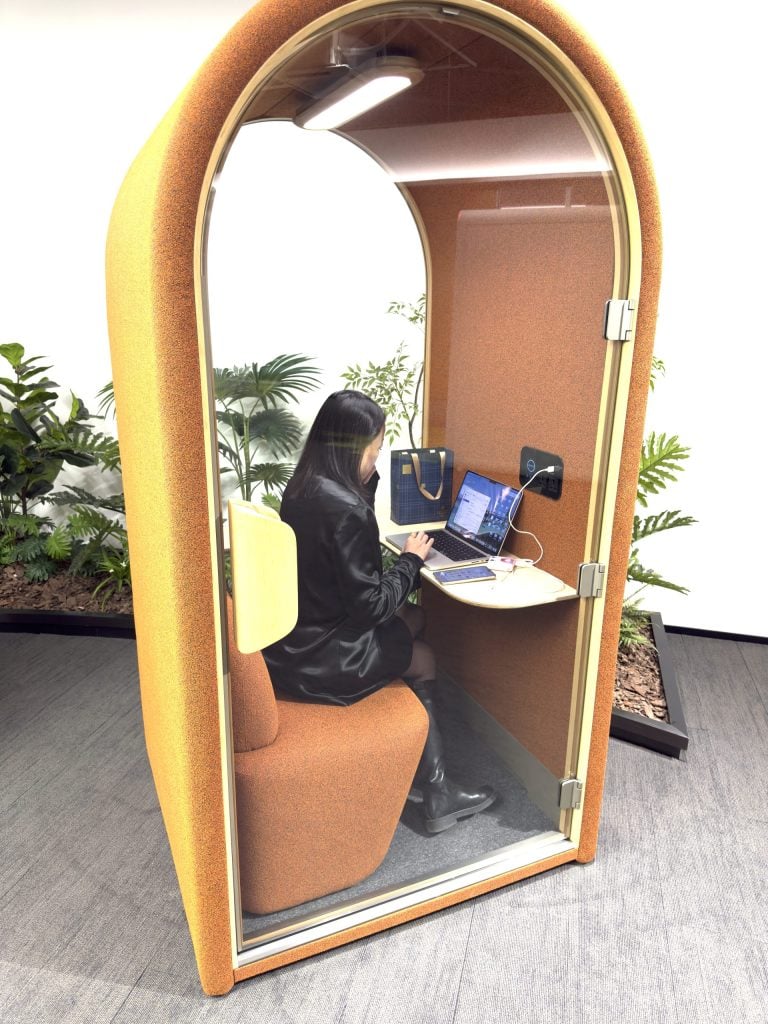
Office phone booths were originally introduced to give employees a quick place to take calls in open offices. While they solved an immediate problem, many organizations are now discovering that traditional phone booths come with limitations related to comfort, flexibility, and long-term usability.
As work patterns evolve, companies are actively searching for office phone booth alternatives that offer better acoustic performance, support longer use, and adapt to changing office layouts without permanent construction.
Why Traditional Office Phone Booths Fall Short
Office phone booths are typically designed for short, standing calls. In practice, modern work involves longer video meetings, confidential conversations, and focused tasks that require more comfort and space.
Common issues with phone booths include:
Limited ventilation
Cramped interiors
Poor sound isolation
Inability to scale beyond single-user use
These limitations have pushed many organizations to explore office phone booth alternatives that better match real-world usage.
Popular Office Phone Booth Alternatives
Modular Office Pods
One of the most effective office phone booth alternatives is modular office pods. These enclosed workspaces are designed for both calls and focused work, offering seated comfort, improved acoustics, and integrated ventilation.
Unlike phone booths, modular pods can support longer meetings and multiple use cases. Many companies evaluating office pods
office pods
find that pods provide greater flexibility without sacrificing privacy.
Small Meeting Pods
Small meeting pods serve as office phone booth alternatives when collaboration is needed. These pods allow two to four people to meet privately without booking traditional conference rooms.
Meeting pods are especially useful in offices where phone booths are overused or constantly occupied.
Flexible Enclosed Rooms
Some organizations opt for demountable or semi-permanent rooms as phone booth alternatives. While these solutions provide strong sound isolation, they often lack portability and require permitting, making them less adaptable over time.
Compared to modular solutions, these options tend to reintroduce the same rigidity companies are trying to avoid.
Acoustic Performance: The Real Differentiator
Not all office phone booth alternatives deliver meaningful sound isolation. Many alternatives rely on interior sound absorption rather than true sound reduction.
Effective alternatives focus on:
Speech privacy
Sealed construction
Acoustic glass
Ventilation systems that do not leak sound
Research from Gensler highlights how privacy and acoustic comfort directly influence productivity in modern offices:
https://www.gensler.com/research-insight
When evaluating office phone booth alternatives, acoustic performance should be assessed based on real-world conditions, not marketing claims.
Comfort and Usability Matter More Than Ever
Phone booths were designed for short use. Today’s workdays include long video calls, deep-focus sessions, and frequent meetings that require seating, lighting control, and airflow.
Office phone booth alternatives that allow users to sit comfortably, adjust lighting, and remain well-ventilated support higher productivity and satisfaction.
Scalability and Flexibility
One of the biggest drawbacks of traditional phone booths is their limited scalability. Adding more booths often leads to overcrowded layouts and inefficient space use.
Modern office phone booth alternatives are designed to scale. Modular pods can be added, relocated, or reconfigured as teams grow or office layouts change.
Organizations seeking flexibility often evaluate leasing office pods
https://theclaritycastle.com/leasing/
to avoid long-term commitments and preserve adaptability.
Phone Booths vs Pods: A Cost Perspective
At first glance, phone booths may appear cheaper. However, cost comparisons should account for:
Frequency of use
Duration of use
Replacement cycles
User dissatisfaction
According to CBRE workplace cost insights:
https://www.cbre.com/insights
workspace solutions that reduce disruption and downtime often deliver greater value over time, even if upfront costs are higher.
When evaluated holistically, many office phone booth alternatives outperform booths in cost per year of effective use.
How to Choose the Right Office Phone Booth Alternative
When selecting among office phone booth alternatives, decision-makers should consider:
Acoustic performance
Comfort for extended use
Ventilation quality
Ability to relocate or scale
Alignment with future office plans
Solutions that support multiple use cases typically outperform single-purpose phone booths in dynamic work environments.
Conclusion
Office phone booth alternatives have evolved to meet the realities of modern work. While phone booths served an important role in early open offices, today’s workplaces demand more flexible, comfortable, and acoustically effective solutions.
By choosing alternatives designed for real usage patterns, organizations can create quieter, more productive offices without reverting to permanent construction.