
Office Acoustic Panels: The Essential Guide for Modern Workspaces
Why Acoustic Comfort Matters
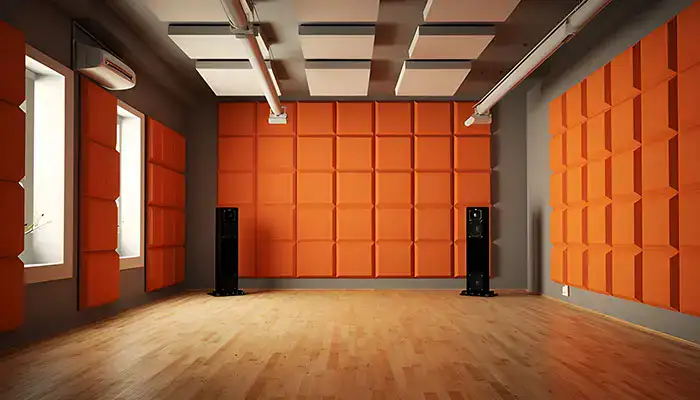
Open offices and hard surfaces create echo, fatigue, and constant distraction. When conversations bounce around a room, people raise their voices to be heard, which makes the problem worse. Acoustic comfort isn’t about silence; it’s about controlling reverberation so speech is clear and the background stays calm. That is exactly what office acoustic panels are designed to do.
What Are Office Acoustic Panels?
Office acoustic panels are sound-absorbing surfaces you mount on walls, ceilings, or furniture. Instead of reflecting sound back into the room the way glass or drywall does, panels convert sound energy into a small amount of heat inside a porous structure, cutting down the reflections that make rooms feel loud. On ClarityCastle’s site, PET felt panels are highlighted for their sustainability and performance, with Noise Reduction Coefficient (NRC) values typically in the 0.7–1.0 range. An NRC closer to 1.0 means a greater share of incident sound is absorbed rather than reflected.
Panels come in several common formats:
Wall panels for broad coverage in meeting rooms, hallways, and open areas.
Ceiling clouds to lower echo in high-volume spaces without changing walls.
Desk screens that add privacy and absorb sound between adjacent seats.
Decorative or patterned panels that double as brand or wayfinding elements.
Materials and Why PET Felt Works
Different materials behave differently in daily use. PET (recycled polyester) felt panels stand out because they are lightweight, durable, non-toxic, and easy to clean. That combination fits busy offices and schools where surfaces need to hold up to frequent contact. Wood accents can add warmth and visual interest, and fabric-wrapped options expand the color and texture palette. Whatever you pick, the headline is the same: materials with a high NRC do the heavy lifting for acoustic control.
Design Principles That Actually Work
The goal is to interrupt reflections along the main paths between people who are talking and the surfaces around them. A few practical guidelines for office acoustic panels:
Treat the first reflection points: the wall behind and beside listeners, and the surfaces opposite where they sit or speak.
Don’t forget the ceiling in rooms with tall volume; clouds reduce flutter echo without touching your walls.
Use desk screens in open plans to absorb sound at the source and add visual privacy.
Mix thicknesses and patterns to broaden the absorption bandwidth and meet design goals.
Start with moderate coverage and add more panels where hot spots remain.
Where Panels Make the Biggest Difference
Meeting rooms: clearer conversations and less “talk over the echo.”
Open-plan neighborhoods: calmer background so focus work is possible.
Phone rooms and pods: a softer, non-reflective interior for better call quality.
Reception areas and corridors: a quieter first impression and better wayfinding when panels incorporate pattern or signage.
Libraries and study zones: speech privacy and reduced listener fatigue.
Cafés or social zones within offices: a more relaxed sound profile that still allows conversation without spillover.
Maintenance and Cleaning
PET felt panels are low-maintenance. Dust can be removed with a light vacuum or soft brush, and common marks wipe away with mild cleaner. Because they are modular, damaged pieces can be swapped without touching adjacent finishes. In high-traffic areas, choose higher-density options and rounded edges to keep panels looking clean over time.
Panels vs. Traditional Soundproofing
Full soundproofing (new walls, insulation, heavy doors) is disruptive, expensive, and permanent. Office acoustic panels provide a faster, modular alternative that you can phase in over time. If you move floors or offices, panels can move with you. That portability is a major advantage over construction, especially for growing teams or leased spaces.
How to Choose the Right Panel Package
Use this checklist to match product to problem:
Define the goal: lower echo for meetings, reduce general noise, or add workstation privacy.
Pick locations: walls at first reflections, ceilings over discussion areas, and screens between seats.
Match NRC: target 0.7–1.0 NRC products for broad, effective absorption.
Size and thickness: larger panels and greater thickness typically absorb more at lower frequencies.
Mounting method: choose adhesive, cleats, or suspension hardware that fits your wall and ceiling types.
Durability and cleaning: verify surface hardness and cleaning guidance for your traffic level.
Fire and safety: confirm that the product meets the relevant code requirements for your jurisdiction.
Aesthetic plan: select colors and patterns that reinforce brand and wayfinding.
Phasing: install the highest-impact zones first; add more only if needed after listening tests.
Results You Can Expect
When rooms stop echoing, people stop competing with the room to be heard. You’ll notice fewer raised voices, clearer meeting audio, and less fatigue by the afternoon. Pairing office acoustic panels with soft finishes (carpet tiles, curtains, upholstered seating) compounds the improvement without changing your floor plan. Teams also tend to hold shorter, more efficient meetings because everyone can hear and be heard the first time.
Complementary Solutions
Panels work even better alongside other flexible tools. Phone booths and meeting pods add enclosed privacy where needed, while panels shape the overall sound field outside those rooms. The net effect is a quieter office that still feels open and welcoming. Start with panels in the noisiest zones, then add pods where true privacy or video-call isolation is required.
Call to Action
Ready to cut echo and boost focus? Explore ClarityCastle’s Acoustic Wall Panels and broader Acoustic Solutions to compare materials, finishes, and mounting options. If you’re not sure where to start, send a floor plan and we’ll outline a quick coverage plan you can phase in. Add panels where the return is immediate, then expand coverage as your team confirms the improvement.